
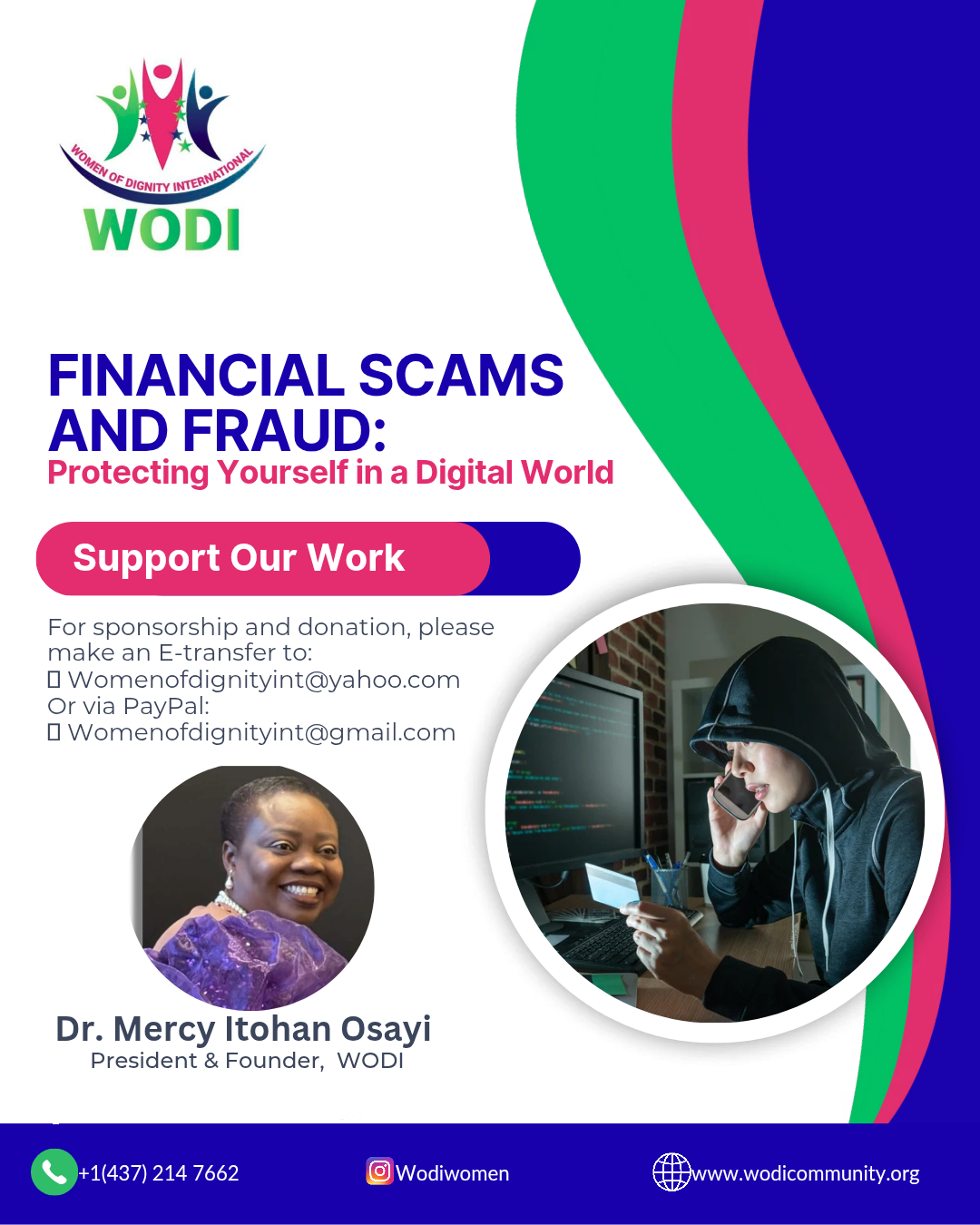
Financial Scams and Fraud: Protecting Yourself in a Digital World
Jun 17 2026
Financial Scams and Fraud: Protecting Yourself in a Digital World
As technology continues to make life more convenient, it has also created new opportunities for fraudsters and scammers. Every day, people lose money, personal information, and peace of mind because they fall victim to scams that often appear convincing and legitimate.
In today's digital age, financial awareness is no longer optional—it is essential.
Why Scams Are Increasing
Scammers are becoming more sophisticated. They use emails, text messages, phone calls, fake websites, social media platforms, and even artificial intelligence to deceive people.
Common scams include:
Investment and cryptocurrency fraud
Fake job offers
Online shopping scams
Identity theft
Phishing emails and messages
Romance and friendship scams
Fake charity requests
Fraudsters often target emotions such as fear, urgency, greed, or sympathy.
Warning Signs to Watch For
Many scams share common red flags. Being aware of these signs can help you avoid becoming a victim.
Be cautious when:
Someone pressures you to act immediately
An offer seems too good to be true
You are asked to share sensitive personal information
You receive unexpected requests for money
A message contains suspicious links or attachments
Payment is requested through unusual methods
When in doubt, verify before you act.
Protecting Your Personal Information
Personal information is valuable. Protecting it should be a priority.
Good security practices include:
Using strong, unique passwords
Enabling two-factor authentication
Avoiding public Wi-Fi for sensitive transactions
Regularly monitoring bank and financial accounts
Keeping devices and software updated
Verifying the authenticity of websites before making payments
A few minutes of caution can prevent significant losses.
The Role of Financial Literacy
Financial literacy helps people make informed decisions and recognize potential threats. The more informed individuals are, the less vulnerable they become to fraud.
Knowledge remains one of the strongest defenses against financial crime.
Building a Culture of Awareness
Communities become safer when people share information and educate one another about emerging scams. Discussing fraud prevention with family members, friends, and colleagues can help protect more people.
Awareness grows when knowledge is shared.
A Reflection for Today
Ask yourself:
Am I taking adequate steps to protect my financial information?
Do I verify offers before responding?
Have I educated my family about common scams?
In a world where scams are becoming increasingly sophisticated, awareness, vigilance, and financial literacy remain your best protection.
---
WODI: Building an inclusive community for Women and Families!