
The New Face of Poverty: Challenges Many Families Hide
Jul 18 2026
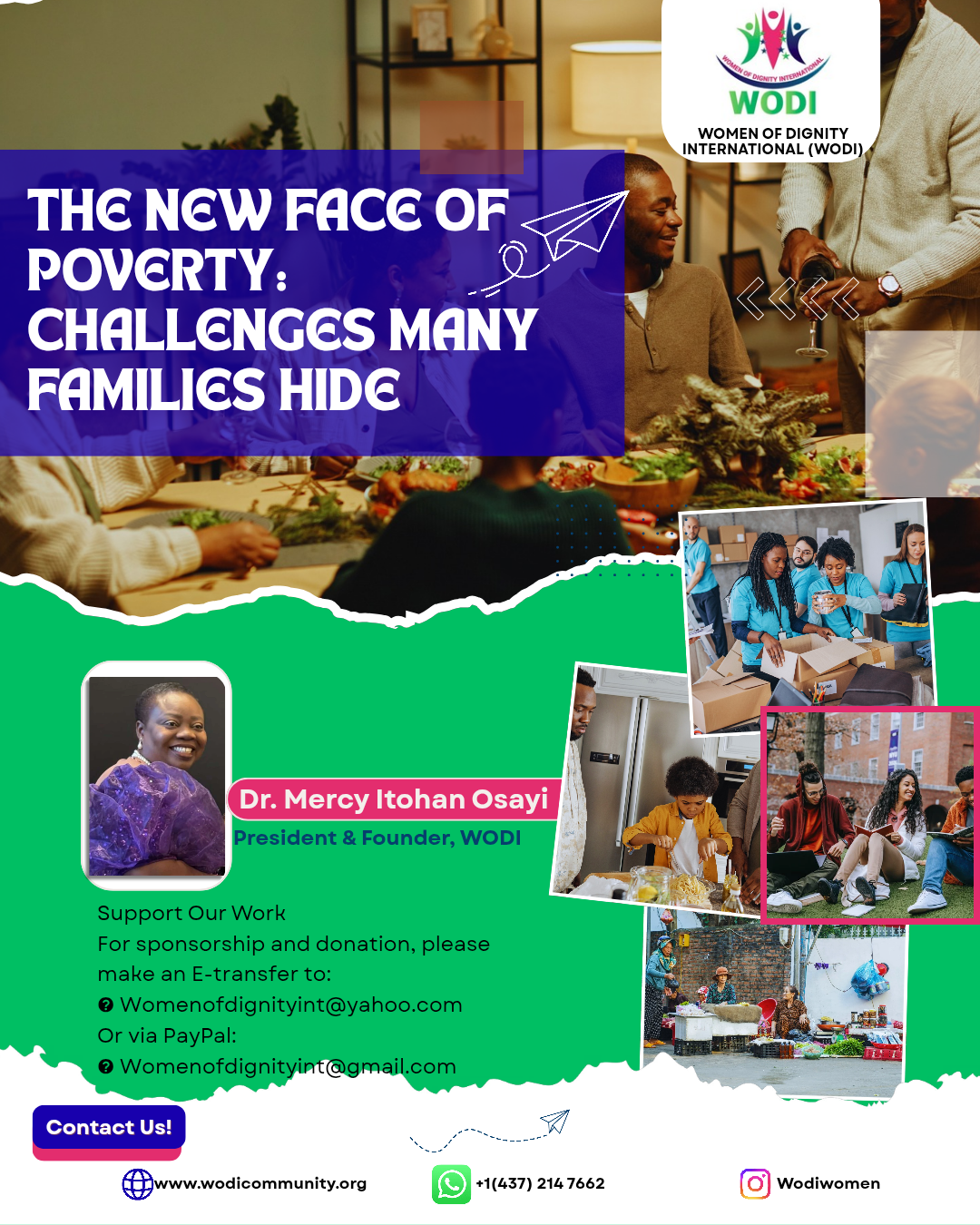
The New Face of Poverty: Challenges Many Families Hide
When most people think about poverty, they imagine someone without a home, food, or clean clothing. While these are visible signs of hardship, poverty has changed. Today, many families experiencing financial difficulties don't look poor. They go to work every day, dress neatly, and do everything they can to maintain a sense of normalcy. Yet behind closed doors, they are struggling.
Some are choosing between paying rent and buying groceries. Others are delaying medical appointments because they cannot afford the cost. Parents may skip meals so their children can eat, while seniors quietly reduce their heating or cooling bills to make ends meet. These realities often remain hidden because many people feel embarrassed to ask for help.
The rising cost of living has made life more challenging for countless families. Housing costs continue to increase, groceries are more expensive, and everyday essentials stretch household budgets further than ever before. Even families with steady incomes can find themselves under financial pressure.
The emotional impact of financial hardship is often overlooked. Constant worry about bills, debt, and providing for loved ones can lead to stress, anxiety, sleepless nights, and strained relationships. Children may sense the tension at home, even when parents try their best to protect them from it.
This is why compassion is so important. We should never assume that someone is doing well simply because they appear to be. Many people are carrying burdens that cannot be seen. A kind conversation, a helping hand, or simply checking in on a neighbour can make a greater difference than we realize.
Communities become stronger when they remove the stigma around asking for help. Food banks, community kitchens, clothing drives, employment support programmes, and financial literacy workshops exist to provide hope, not judgment. Reaching out for support during difficult times is a sign of courage, not failure.
At the same time, we can all take practical steps to strengthen our financial resilience. Creating a realistic budget, reducing unnecessary expenses, learning new skills, supporting local businesses, and building emergency savings—even little by little—can help families prepare for unexpected challenges.
Governments, businesses, community organizations, and individuals all have a role to play in addressing poverty. Sustainable solutions require affordable housing, accessible employment opportunities, quality education, and strong community support systems. No single person can solve the problem alone, but together we can make a meaningful difference.
A caring society is not one where no one experiences hardship. It is one where people facing hardship are treated with dignity, respect, and compassion.
As we go about our daily lives, let us remember that kindness has no income requirement. Sometimes the greatest gift we can offer is understanding instead of judgment, support instead of silence, and hope instead of criticism.
Because when we lift one family, we strengthen an entire community.
From the WODI Perspective
At Women of Dignity International, we understand that many families face challenges that are not always visible. Through initiatives such as our Food Bank, family support programmes, community outreach, and empowerment activities, we are committed to standing alongside individuals and families with dignity, compassion, and practical support. Together, we can build communities where no one feels ashamed to seek help and no one has to face life's challenges alone.
WODI: Building an inclusive community for Women and Families!