
The Power of Clear Thinking: Why Logic and Critical Thinking Matter in Everyday Life
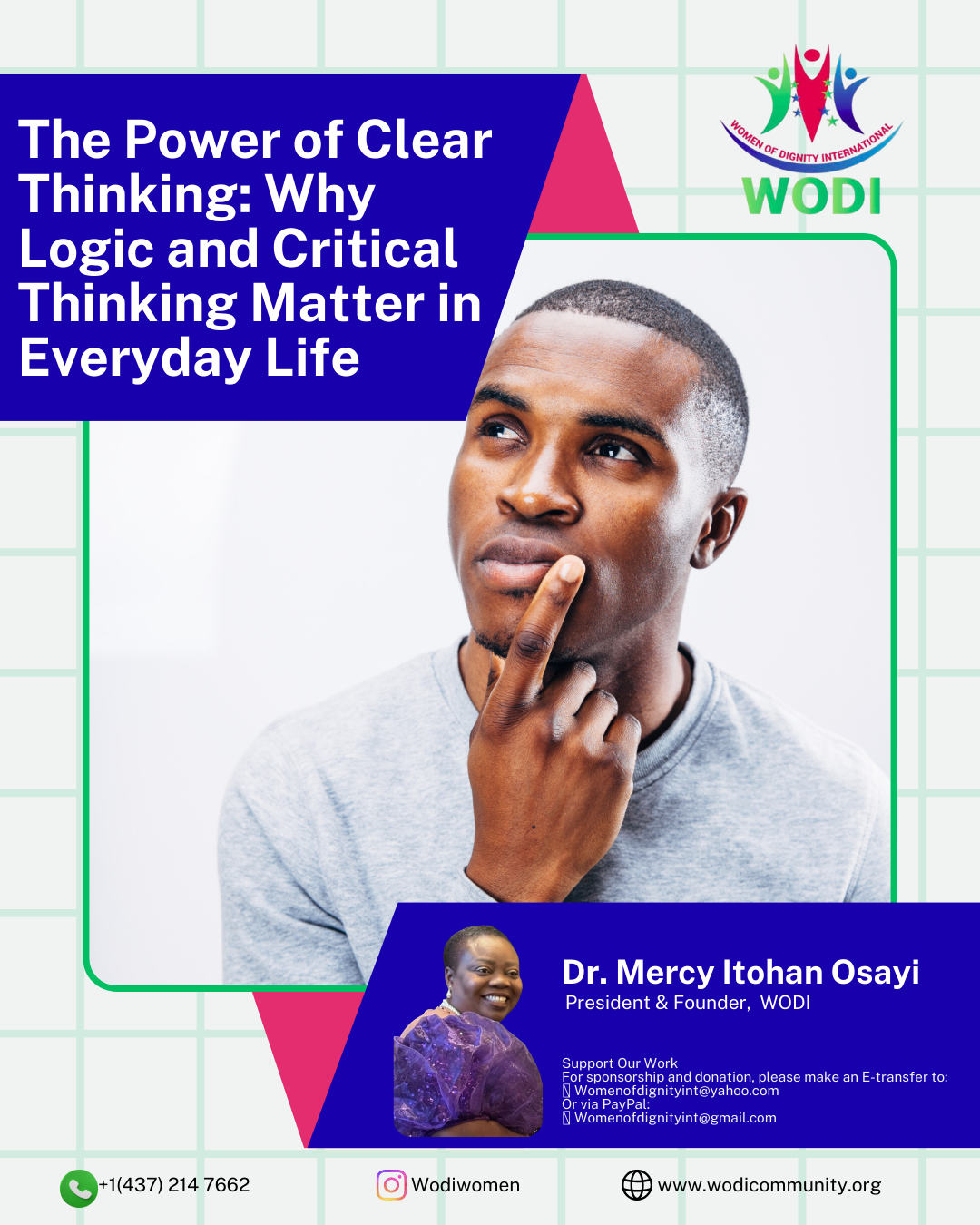
Jan 14 2026
The Power of Clear Thinking: Why Logic and Critical Thinking Matter in Everyday Life
In a world filled with constant information, opinions, and pressure to react quickly, the ability to think clearly has become one of the most important life skills. Every day, people make decisions that affect their health, finances, relationships, careers, and communities. The quality of those decisions often depends on how well we think—not how fast we respond.
What Critical Thinking Really Means
Critical thinking is not about being argumentative or overly analytical. It is the ability to:
* Evaluate information carefully
* Distinguish facts from assumptions
* Consider different perspectives
* Make decisions based on reason rather than pressure or fear
It helps people avoid manipulation, misinformation, and impulsive choices.
Logic in Everyday Decisions
Logic is often associated with mathematics or science, but it plays a role in everyday life. When people plan their finances, resolve conflicts, assess opportunities, or set priorities, they are using logic—whether consciously or not.
Applying clear reasoning helps individuals:
* Make balanced decisions
* Reduce unnecessary stress
* Avoid repeated mistakes
* Communicate more effectively
Logical thinking supports stability and long-term well-being.
The Link Between Clear Thinking and Dignity
Dignity is strengthened when people are able to think independently and make informed choices. When individuals understand situations clearly, they are less likely to accept unfair treatment, misinformation, or harmful norms.
Clear thinking promotes:
* Self-respect
* Fair judgment of others
* Responsible leadership
* Peaceful conflict resolution
It encourages actions rooted in understanding rather than impulse.
Developing Better Thinking Habits
Clear thinking is a skill that can be improved with practice. Simple habits include:
* Asking questions before accepting information
* Taking time to reflect before reacting
* Seeking reliable sources of knowledge
* Listening to different viewpoints
These habits build mental discipline and emotional balance.
A Midweek Reflection
Midweek is a good moment to pause and reassess. Ask yourself:
* Am I making decisions based on clarity or pressure?
* What information do I need before my next step?
* How can I respond thoughtfully rather than react emotionally?
A society built on informed thinking is one that upholds dignity, fairness, and mutual respect. When individuals think clearly, communities grow stronger and more just.
Clear thinking is not just intelligence—it is a pathway to dignity.