
The Family That Eats Together: Why the Dinner Table Still Matters
Aug 22 2026
The Family That Eats Together: Why the Dinner Table Still Matters
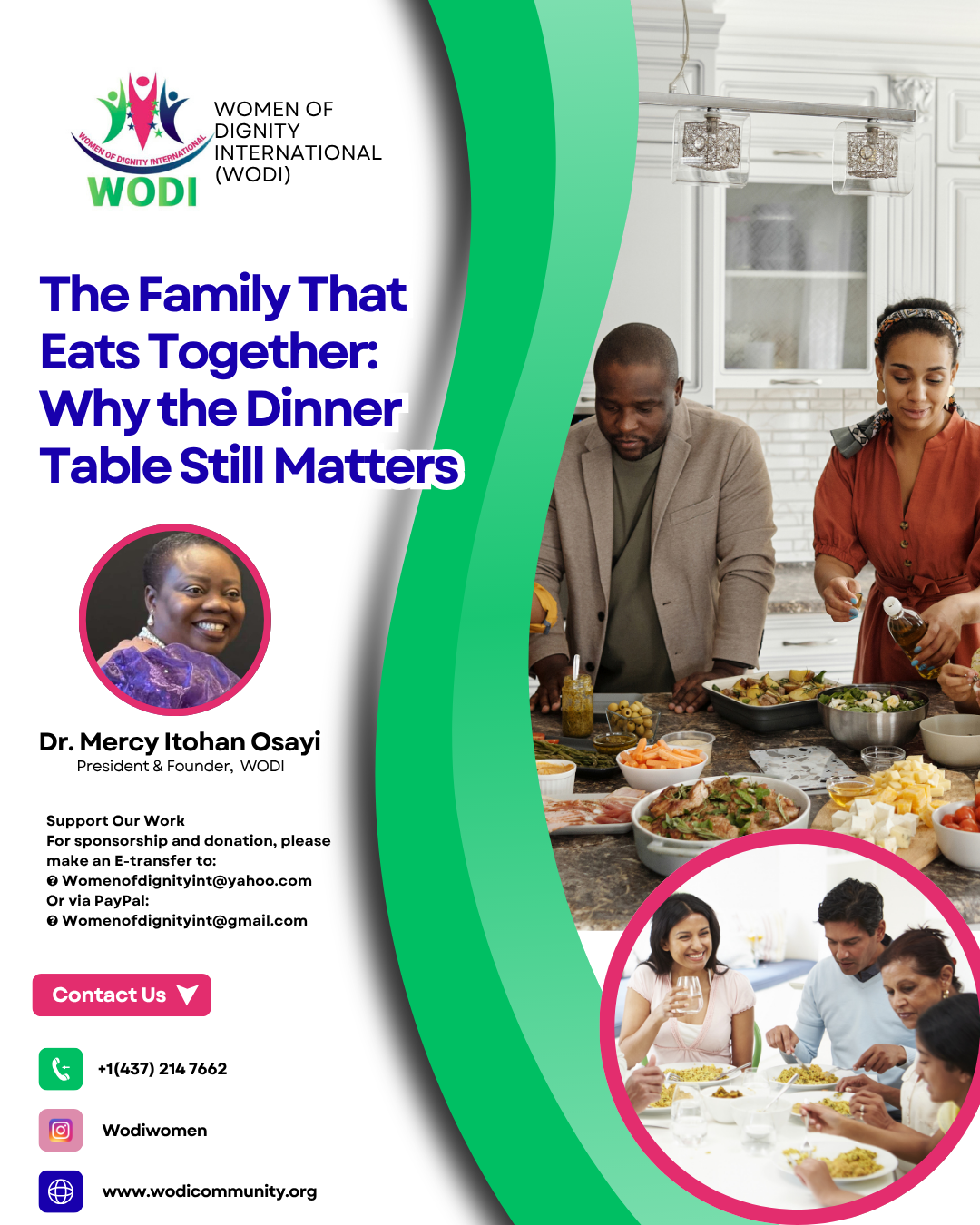
There was a time when the family dining table was one of the busiest places in a home.
It was where the day's stories were shared, homework was discussed, plans were made, disagreements were settled, and laughter filled the room. Today, however, family meals are becoming less common. Busy schedules, long working hours, school activities, commuting, takeout, and phones have changed the way many families eat.
Sometimes everyone is home, but nobody is really together.
One person is eating in front of the television. Another is scrolling through a phone. Someone else is rushing out to an activity. Before long, the meal is over and the family has gone their separate ways.
Food is important, but the family meal is about much more than food.
Sitting together creates an opportunity to connect.
It gives parents a chance to hear what is happening in their children's lives. It allows children to ask questions and share experiences. It gives couples time to talk beyond bills, responsibilities, and schedules. For families living far from extended relatives, regular meals can also become a way of creating their own traditions and keeping family bonds strong.
The meal does not have to be elaborate.
It could be a simple homemade dinner, breakfast before school, weekend lunch, or even a shared snack. What matters is the intentional decision to sit down together.
For many families, this may require planning. Work schedules may not always match. Children may have different activities. Some parents may be working shifts. Families should not feel guilty when a shared meal is not possible every day. Even one or two intentional meals together each week can create meaningful moments.
The important thing is to make the time count.
Put the phones away.
Ask questions.
Listen.
Let children talk without immediately correcting them.
Share stories about your own day.
Laugh together.
And sometimes, simply enjoy the silence of being together.
Family meals can also teach children important life skills. When children participate in preparing meals, setting the table, serving others, and cleaning up afterwards, they learn responsibility and cooperation. They also begin to understand that running a home is a shared effort.
Food can also be a powerful way of preserving culture.
Recipes passed down through generations carry stories, memories, traditions, and identity. In multicultural communities like those across Canada, the dinner table can become a place where children learn about their family's heritage while also discovering and appreciating other cultures.
Most importantly, regular family meals create memories.
Years from now, children may not remember every expensive toy they received or every restaurant they visited. They may remember the Sunday dinners, the funny conversations, the family recipes, the stories their parents told, and the feeling of belonging around a table.
We often search for complicated ways to strengthen families.
Perhaps one of the simplest is already sitting in our kitchens.
Make time for the table.
Because sometimes, the most important conversations happen when everyone has a plate in front of them.
From the WODI Perspective
At Women of Dignity International, we believe strong families are built through everyday moments of connection. Our CookCraft & Kitchen Skills initiatives go beyond teaching young people how to prepare food—they help build confidence, responsibility, creativity, and an appreciation for the role food plays in bringing people together.
Whether it is a simple meal at home or a community gathering around food, let us continue creating spaces where families can connect, share, learn, and grow together.
WODI: Building an inclusive community for Women and Families!